Taxi advertising is often underestimated in the marketing mix. With the allure of digital marketing’s data-driven targeting and programmatic bidding, many brands expect taxi ads to perform like online campaigns and are quick to dismiss taxi advertising when they don’t see immediate clicks or conversions.
This perspective misses a crucial truth: taxi advertising is a different beast altogether. It is an Out-of-Home medium built on physical presence, repeated exposure, and deep emotional impact—things digital impressions struggle to deliver.

Mistake 1: Treating Taxi Ads Like Digital Ads
Many brands try to measure taxi advertising by digital metrics such as click-through rate (CTR) or direct conversions, forgetting that it is a brand-awareness tool designed for top-of-funnel impact. Expecting instant ROI leads to undervaluing the long-term benefits of repeated visual exposure that builds memory and trust.
Mistake 2: Ignoring the Importance of Design Simplicity
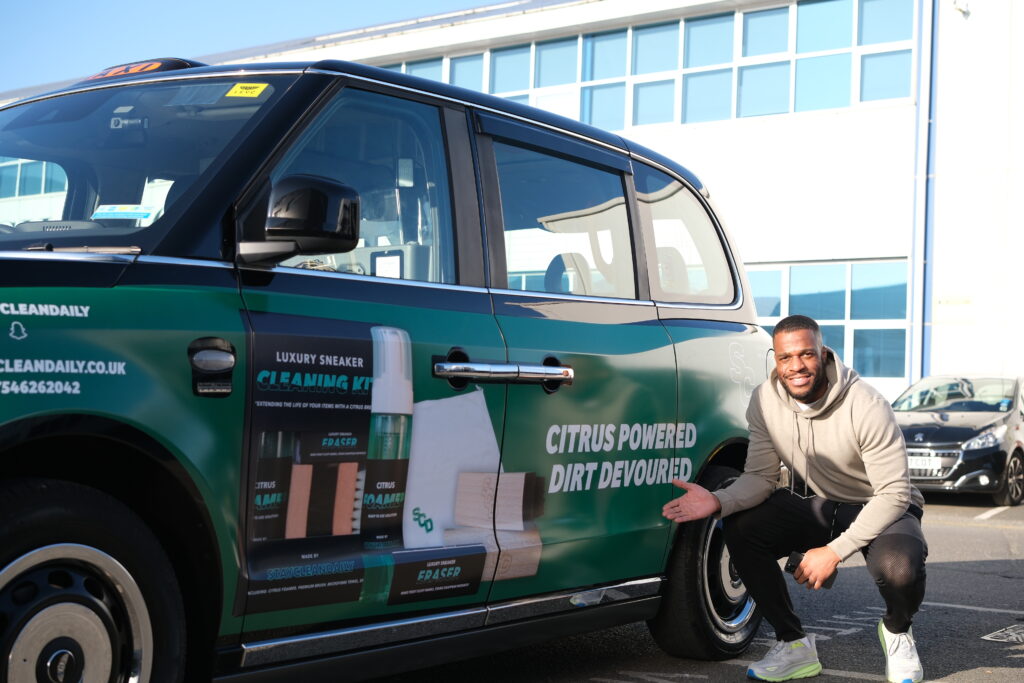
Taxi ads are seen quickly, often in motion. Overloading a taxi wrap with dense text or complicated visuals is a recipe for failure. The most effective taxi campaigns feature bold, simple graphics with a clear message that can be absorbed in seconds.
Mistake 3: Neglecting a Complete Multi-Channel Strategy
Taxi advertising shines brightest when integrated into a broader marketing plan. Using a QR code or hashtag on the taxi links the physical ad to digital platforms, creating a seamless consumer journey that boosts engagement and measurable results.
Mistake 4: Failing to Target Geography and Audience
Unlike digital marketing, taxi ads cannot micro-target individual preferences. Instead, target fleet selection is based on geography and driver routes. Brands often misunderstand these dynamics and launch generic campaigns without considering which areas or neighbourhoods will deliver the best returns.
Mistake 5: Underestimating the Power of the Interior
While the exterior wrap grabs attention, the interior of the taxi offers a unique captive audience opportunity. Many brands fail to capitalise on this space with engaging communications or calls-to-action, missing out on a high-engagement channel that complements their exterior messaging.
Mistake 6: Overemphasising Novelty at the Expense of Brand Consistency
Some brands chase eye-catching gimmicks but fail to maintain consistent branding and messaging across channels. A taxi ad’s effectiveness comes from reinforcing your brand look and feel repeatedly across multiple encounters, not from being a one-off spectacle.
Conclusion
Taxi advertising is an incredibly effective and underutilised tool when used correctly. Understanding its unique strengths and designing campaigns that leverage physical presence, simplicity, multi-channel integration, and targeted fleet deployment can transform taxi ads from a missed opportunity into a core driver of brand growth.
Frequently Asked Questions
- Can taxi ads deliver immediate sales results?
Taxi advertising is primarily a brand awareness medium, and while it indirectly supports sales, immediate conversions are rare. It builds trust and recognition that pays off over time. - How do I design an effective taxi ad?
Focus on bold, simple visuals, minimal text, and a clear call-to-action like a QR code. Remember, it’s viewed in motion and must communicate very quickly. - Can I target taxis for a specific area?
Yes, by choosing taxis whose drivers operate largely in your desired postcode or neighbourhood, you can achieve focused geographic targeting. - Should taxi ads be used alone?
No. Taxi advertising works best as part of an integrated multi-channel campaign, linking offline visibility with online engagement. - What’s the advantage of interior taxi ads?
They offer a captive, distraction-free environment to share detailed messages and direct calls-to-action, increasing engagement beyond the exterior ad’s initial impression.