Successful taxi advertising in London campaigns requires more than eye-catching designs. Smart marketers demand measurable returns on investment. Understanding how to track, analyse, and optimise taxi advertising ROI separates profitable campaigns from expensive mistakes.
Unlike digital advertising with instant analytics, taxi advertising measurement requires strategic planning and sophisticated tracking methods. Modern London taxi advertising combines traditional exposure metrics with innovative technology to deliver comprehensive performance insights that justify marketing spend and guide future decisions.
The challenge lies in connecting street-level visibility with actual business results. Today’s measurement strategies bridge this gap through data-driven approaches that transform taxi advertising from guesswork into precise marketing science.
1. Establishing Clear Campaign Objectives
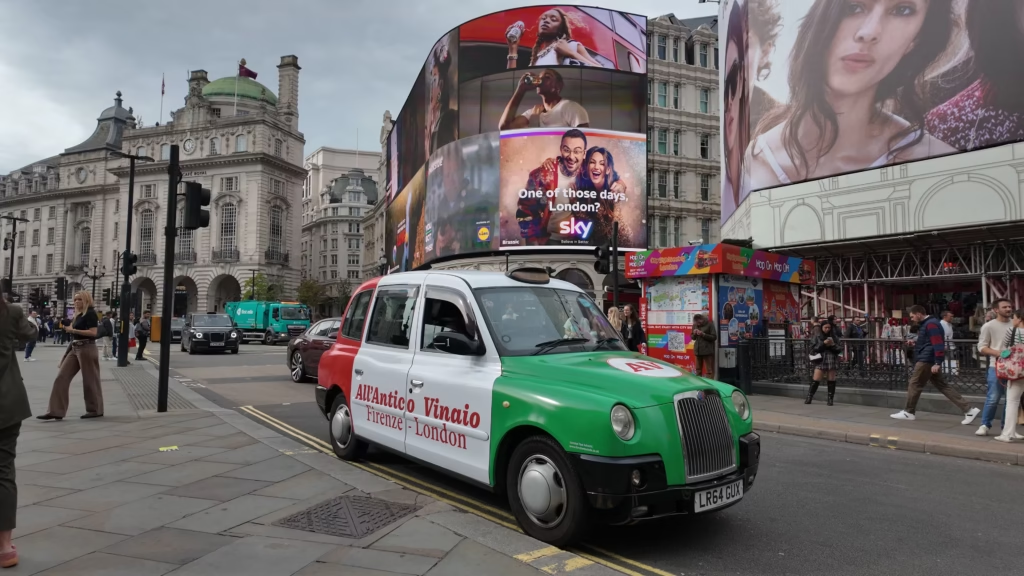
Effective ROI measurement begins before campaigns launch. Taxi advertising in London’s success depends on defining specific, measurable objectives that align with broader business goals.
Essential objective categories include:
- Brand awareness increases within target demographics
- Lead generation through specific call-to-action responses
- Store visit increases in campaign coverage areas.
- Sales growth attributable to advertising exposure
2. Key Performance Indicators for Taxi Advertising
Successful measurement requires tracking multiple KPIs that provide comprehensive campaign performance insights. Single metrics rarely tell complete stories about taxi advertising effectiveness.
Primary measurement metrics include:
- Impression counts based on route coverage and traffic data
- Engagement rates through QR code scans and website visits
- Brand recall improvements are measured through periodic surveys.
- Sales attribution using unique promo codes and tracking URLs
3. Technology-Enabled Tracking Methods
Modern taxi advertising in London leverages advanced technology for precise measurement capabilities that rival digital advertising platforms in sophistication and accuracy.
GPS tracking provides:
- Real-time route monitoring and coverage verification
- Traffic density analysis for impression calculation accuracy
- Time-specific exposure data for optimisation insights
- Demographic area targeting verification and adjustment
4. Cost Analysis and Budget Allocation
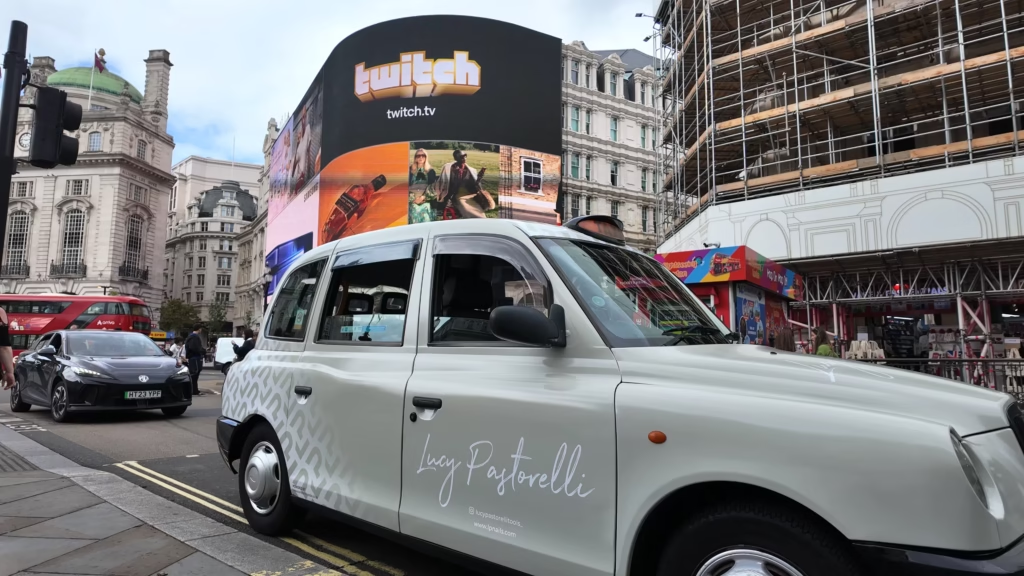
Accurate ROI calculation requires comprehensive cost tracking that includes all campaign expenses from design through execution and measurement activities.
Complete cost considerations:
- Creative design and production expenses
- Vehicle wrap installation and removal costs
- Monthly rental fees for taxi advertising space
- Technology integration and tracking system expenses
5. Sales Attribution Methodologies
Connecting taxi advertising exposure to actual sales requires sophisticated attribution models that account for multiple touchpoints and delayed conversion behaviours.
Attribution approaches include:
- Unique promotional codes for direct response tracking
- Geographic analysis comparing campaign areas to non-exposed regions
- Time-series analysis examining sales patterns during campaign periods
- Customer survey integration asking about advertising exposure influence
6. Brand Awareness Measurement Techniques
Taxi advertising primarily builds brand awareness, requiring specialised measurement approaches that capture perception changes and recognition improvements over time.
Brand measurement methods:
- Pre and post-campaign surveys measuring aided and unaided recall
- Social media monitoring for brand mentions increases.
- Website traffic analysis from campaign coverage areas
- Search volume increases for brand-related keywords
7. Digital Analytics Integration
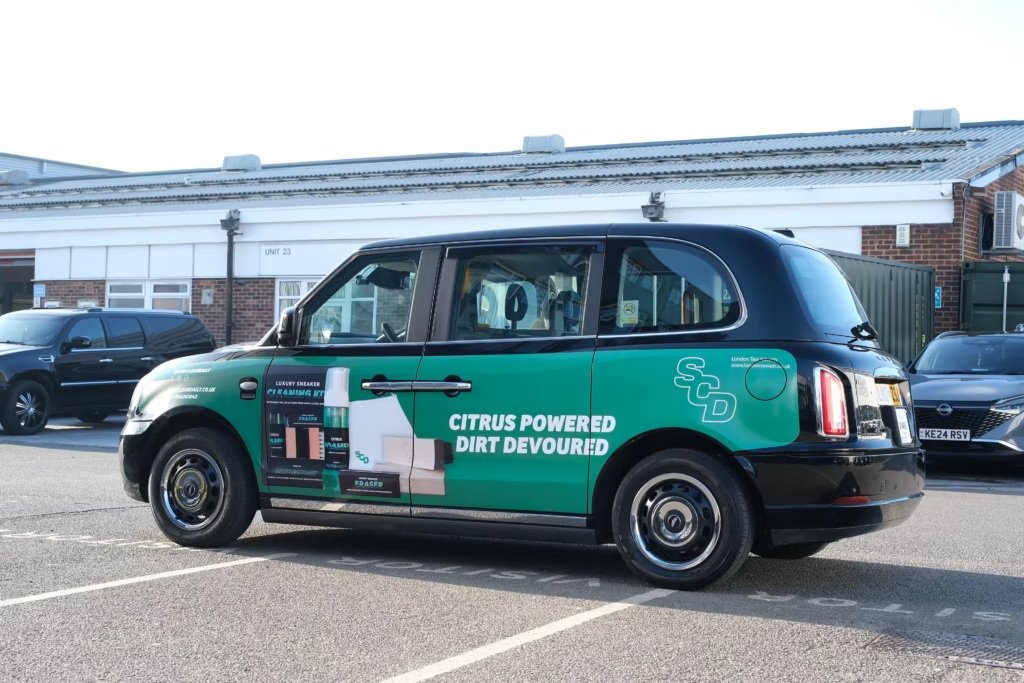
Modern campaigns seamlessly integrate offline taxi advertising with digital measurement platforms, creating a comprehensive view of the customer journey from street exposure to online conversion.
Integration capabilities include:
- Landing page traffic attribution to campaign periods
- Social media engagement tracking during active campaigns
- Email signup increases from the campaign coverage area.s
- Mobile app download spikes correlate with campaign routes
8. Real-Time Campaign Optimisation
Advanced measurement enables continuous campaign improvement during active periods rather than waiting for post-campaign analysis and future application opportunities.
Optimisation opportunities:
- Route adjustments based on performance data
- Creative element testing and refinement
- Budget reallocation toward the highest-performing areas
- Timeline extensions for successful campaign elements
9. Competitive Benchmarking
Understanding industry standards and competitive performance helps contextualise campaign results and identify improvement opportunities for future initiatives.
Benchmarking considerations:
- Industry average ROI rates for taxi advertising campaigns
- Competitive analysis of similar brand campaign performance
- Market penetration rates in campaign coverage areas
- Cost-per-impression comparisons across advertising channels
10. Long-Term Value Assessment

Taxi advertising in London has an impact that extends beyond immediate campaign periods. Long-term value measurement captures sustained benefits that justify ongoing investment in mobile advertising strategies.
Long-term measurement includes:
- Customer lifetime value increases from campaign-acquired customers
- Brand equity improvements are measurable through market research.
- Market share changes are attributable to sustained campaign exposure.e
- Customer retention improvements among campaign-exposed audiences
These extended metrics often reveal the taxi advertising’s true value proposition that immediate ROI calculations might underestimate.
11. Reporting and Stakeholder Communication
Effective ROI measurement requires clear reporting that communicates results to stakeholders and guides future marketing investment decisions across organisational levels.
Reporting best practices:
- Executive summaries highlighting key performance achievements
- Detailed analytics for marketing team optimisation insights
- Visual dashboards showing campaign performance trends
- Actionable recommendations for future campaign improvements
Data-Driven Taxi Advertising Success
Measuring taxi advertising in London ROI requires strategic thinking, technological integration, and comprehensive analysis. Success demands moving beyond simple impression counting toward sophisticated measurement ecosystems.
Smart marketers invest in measurement infrastructure before launching campaigns. The future belongs to campaigns that combine creative excellence with measurement precision.
FAQs
1. How do you calculate ROI for taxi advertising campaigns?
ROI calculation compares campaign gains against total costs using the formula: (Revenue – Campaign Costs) / Campaign Costs × 100. Taxi advertising in London ROI includes sales increases, lead generation value, and brand awareness improvements.
2. What technology helps track taxi advertising effectiveness?
GPS tracking, QR codes, unique landing pages, and promo codes enable precise measurement. London taxi advertising company partners provide real-time analytics showing route coverage, impression counts, and digital engagement rates.
3. How long does it take to see measurable results from taxi advertising?
Initial brand awareness improvements appear within 2-4 weeks of campaign launch. Taxi advertising in London generates immediate impressions and traffic increases, while sales attribution and brand recall peaks typically occur 6-8 weeks into campaigns.
4. What KPIs should businesses track for taxi advertising campaigns?
Essential KPIs include impression counts, engagement rates through QR codes, brand recall improvements, website traffic increases, and sales attribution via unique codes.
5. How does taxi advertising ROI compare to other advertising channels?
Studies show taxi advertising in London delivers 200-400% higher ROI than traditional billboards through mobile exposure and lower costs.