In hospitality, first impressions are everything. They determine whether a guest books, whether they return, and whether they recommend you to someone else. But the first impression does not start at the front desk or the restaurant table. It starts long before that, with brand visibility.
Taxi advertising in London is one of the most underused tools in hospitality marketing, and that gap is a real opportunity for hotels, restaurants, bars, and experiential venues that want to own the city’s attention.
The Hospitality Audience is Already in Taxis
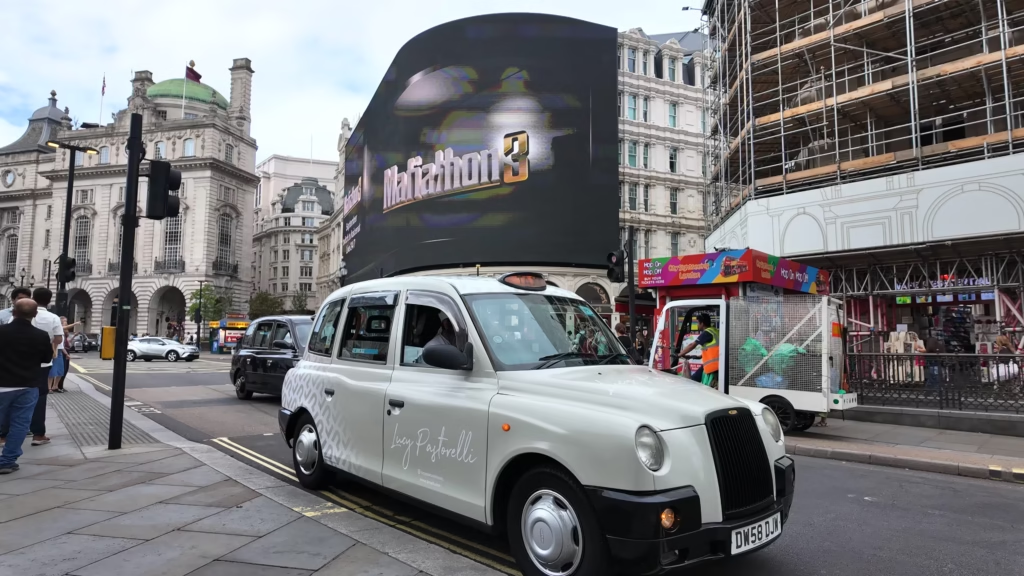
Think about who takes taxis in London. Tourists arriving from Heathrow. Business travellers heading to their hotel after a long flight. Couples going out for the evening. Groups of friends heading to a restaurant in a new neighbourhood. Corporate guests being ferried between venues.
These are not random demographics. They are the exact people hospitality brands need to reach, at the exact moment they are making decisions about where to stay, eat, and what to do. The audience breakdown speaks for itself:
- 67% of taxi passengers in London are business travellers or tourists, both high-value hospitality segments
- Passengers spend an average of 15 to 20 minutes in a taxi, giving your brand extended dwell time that no other outdoor format matches
- Heathrow, Gatwick, and St Pancras routes connect directly with inbound travellers who have yet to make accommodation or dining decisions
- Evening and weekend routes through Mayfair, Soho, and the West End place your brand in front of people actively planning leisure spend
London taxi advertising places your brand in front of this audience when they are physically in the city and actively looking for options. That timing is almost impossible to replicate with any other channel.
Why It Works Better Than Traditional Hospitality Marketing?
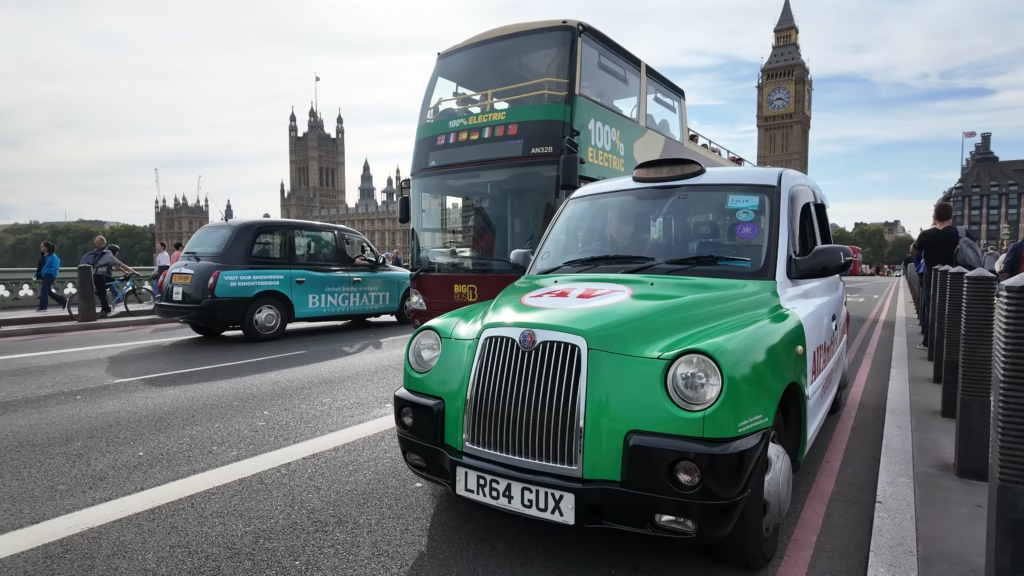
Hospitality brands have traditionally relied on travel review platforms, OTAs, and social media. All of those channels matter. But they share the same problem: your brand appears only when someone is already searching. Taxi advertising creates demand before the search happens.
The data makes a strong case:
- Out-of-home advertising generates a 4x return for every pound spent when combined with a strong brand identity, according to the Outdoor Media Centre
- Repeated exposure to a brand across multiple touchpoints increases booking intent by up to 38% compared to single-channel campaigns
- 67% of consumers say they have searched for a brand online after seeing it on out-of-home advertising
- OOH advertising drives a 17% increase in online search activity on average, giving hospitality brands a measurable digital uplift from physical presence
For a hotel, restaurant, or venue trying to compete in one of the world’s most saturated hospitality markets, that kind of reach is significant. And unlike OTA listings where you are competing directly with similar properties on price, taxi advertising lets you build brand identity on your own terms.
The Premium Association
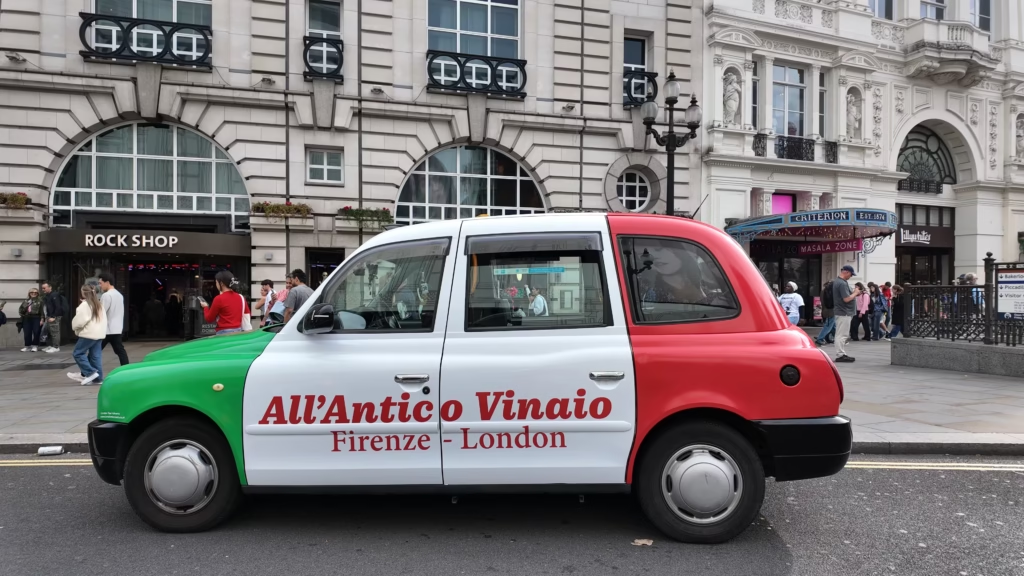
There is something about seeing a hospitality brand on a London black cab that communicates quality. The black cab is iconic. It is associated with the city itself. When a hotel or restaurant wraps one of these taxis, the brand borrows some of that credibility.
This is particularly valuable for:
- New openings that do not yet have years of reviews and word-of-mouth working in their favour
- Independent hotels and restaurants competing against large chains with bigger digital budgets
- Venues repositioning themselves in the market or targeting a new audience segment
- Luxury properties where brand perception and visual prestige matter as much as the product itself
London taxi advertising accelerates the trust-building process by creating immediate, city-wide visibility that signals the brand is serious. Guests who have seen your brand on the streets of London arrive with a different level of familiarity and confidence than those who found you through a search result.
Seasonal Campaigns and Event Tie-Ins
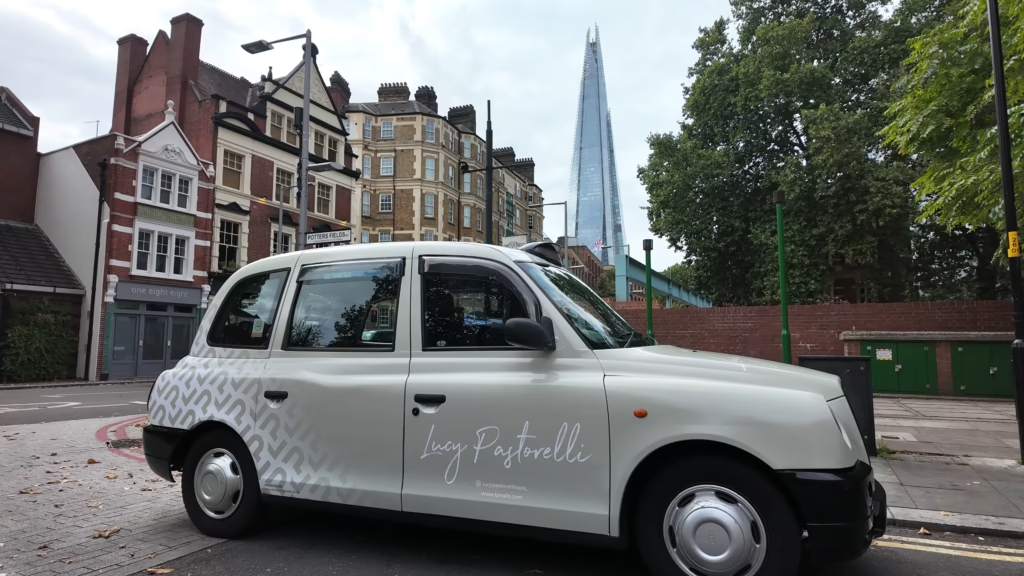
Hospitality is inherently seasonal. Taxi campaigns can be timed to match peak periods, concentrating spend at the moments that matter most rather than paying for broad awareness year-round. The most effective windows for hospitality taxi campaigns include:
- The 6 weeks before Christmas, when dining bookings and hotel stays spike significantly across London
- The summer tourist season from June to August, when inbound visitor numbers peak
- Major London events including Fashion Week, Wimbledon, the London Marathon, and Frieze Art Fair
- Valentine’s Day and Mother’s Day windows for restaurants and experiential dining venues
- Corporate quarter-end periods when business travel and client entertainment budgets are highest
A boutique hotel running a taxi campaign in the four weeks before a major London event is buying relevance at the moment of highest purchase intent.
Making Your Brand Part of the London Experience
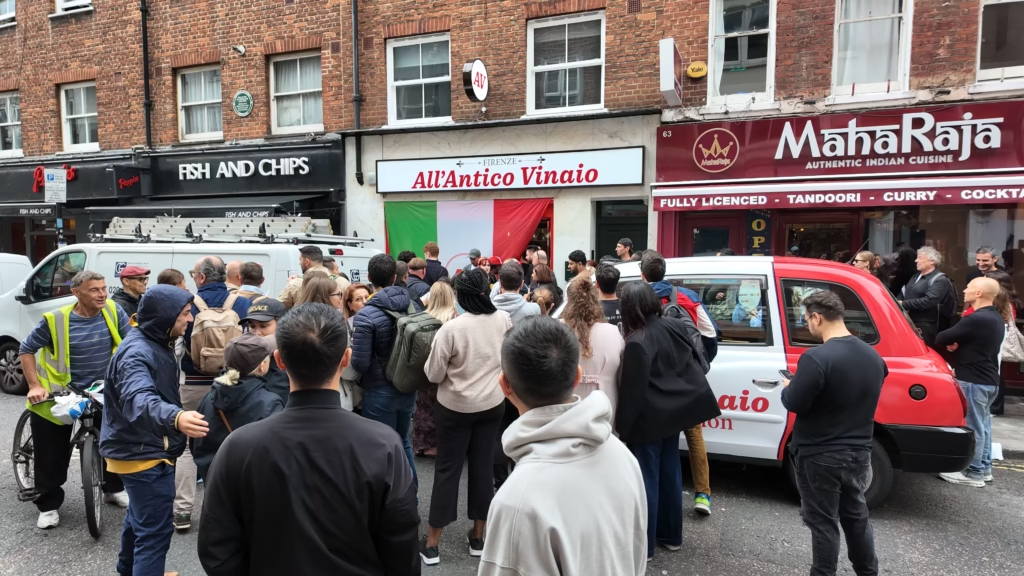
London is a destination. People do not just visit London to stay somewhere and eat somewhere. They come to experience the city. Taxi advertising in london allows hospitality brands to become part of that experience, woven into the fabric of the city rather than sitting behind a screen waiting to be clicked.
That visibility creates a different kind of connection. It makes guests feel like they are choosing a brand that belongs here, one that is confident enough to show up in one of the world’s most competitive cities.
The hospitality brands that use london taxi advertising most effectively treat it as a brand-building investment rather than a direct response channel. They are not trying to drive a booking from a single taxi impression. They are trying to make sure that when the moment of booking intent arrives, their brand is already in the consideration set.
If your hospitality brand is ready to make that kind of impression on London, it is worth exploring what a targeted taxi campaign could do for your visibility and bookings.