The world of Out-of-Home (OOH) advertising is undergoing a dramatic transformation. Traditional billboards and transit ads are no longer enough to capture the attention of today’s savvy urban audiences. As millions of people move through congested cities daily, their behaviour, expectations, and media consumption habits are shaping the future of advertising.
To succeed in this fast-evolving landscape, marketers need to think less like broadcasters and more like commuters.
The Commuter Mindset: Understanding Your Audience on the Move

Commuters are a unique demographic. They are caught in a transient state, often stressed for time but also in need of distractions during waiting times. Their media consumption is fragmented—glancing at a phone, observing the street, interacting with advertising while waiting for a bus or train.
This means your OOH message needs to be:
- Highly Visible and Instantly Understandable: The typical glance at a billboard or transit ad lasts only 2-3 seconds. Your message must be simple, bold, and clear.
- Relevant to Time & Context: Commuters’ needs change throughout the day. Morning audiences might be receptive to coffee or breakfast ads, while evening commuters may respond better to entertainment or dining promotions.
- Integrated With Digital: Complementing your physical ad with digital engagement through QR codes, hashtags, or location-triggered content turns a passing impression into an interactive experience.
MOFU – Moving Beyond Awareness to Engagement

The middle of the funnel is about nurturing interest and encouraging interaction. Transit interiors and station ads provide a captive setting where commuters can engage more deeply with your brand.
Interactive digital out-of-home (DOOH) allows dynamic content change based on audience, time, or location. For example, an ad for gym wear can activate near a fitness centre during peak hours.
BOFU – Driving Action Where It Matters
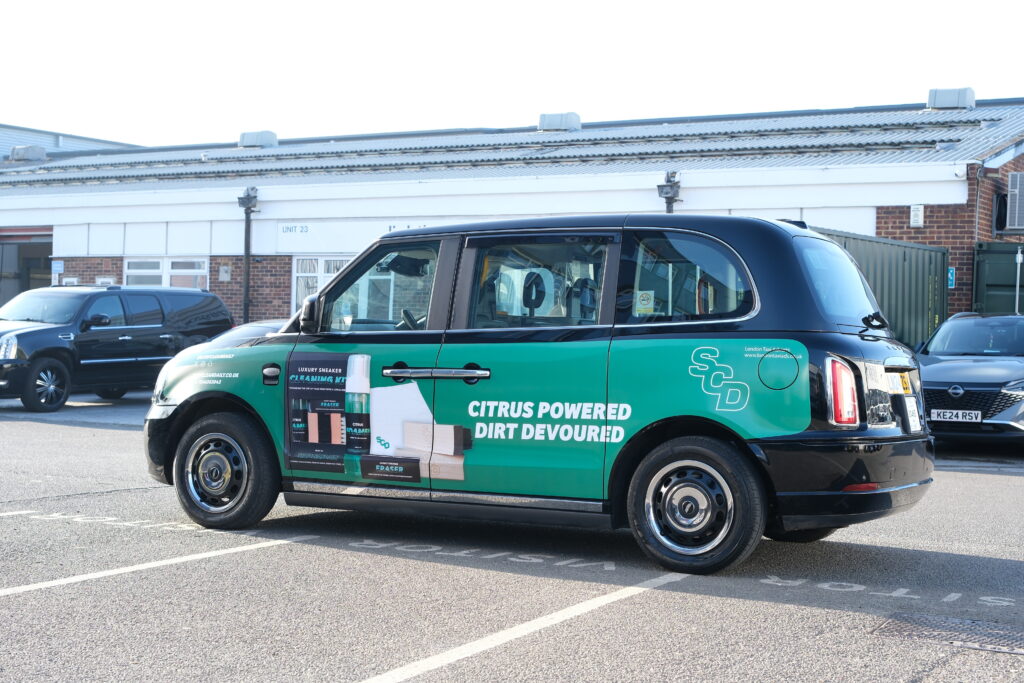
At the bottom of the funnel, OOH can provide the final nudge to conversion. Hyper-targeted geofencing shows offers exactly when and where they are needed, like a coffee deal near a morning commute stop.
Experiential marketing events, interactive billboards, and targeted door hangers give commuters direct reasons to act, from trying a new product to entering a contest.
The Role of Technology
Advances in 5G, AI, and AR are reshaping OOH. From real-time personalized messaging to immersive augmented reality experiences, technology allows brands to create memorable connections during commutes.
Sustainability and Social Responsibility
Modern commuters care about environmental impact. Using sustainable materials and energy-efficient digital signage in your OOH campaigns not only resonates ethically but also enhances brand image.
In summary, the future of OOH advertising belongs to those who understand the rhythm of urban life. By thinking like a commuter—prioritising visibility, relevance, interactivity, and responsibility—brands can create campaigns that are not only seen but felt.
Frequently Asked Questions
- What does it mean to “think like a commuter” in advertising?
It means designing campaigns that fit into a commuter’s daily routine and mindset. This involves creating ads that are quick to understand, contextually relevant to the time and place, and offer easy ways to interact digitally. - How has technology changed OOH for commuters?
Technology like Digital Out-of-Home (DOOH) allows ads to change based on real-time data, making them more relevant. QR codes and Augmented Reality (AR) turn passive viewing into an interactive experience, allowing commuters to engage directly with brands on their smartphones. - Why is the “middle of the funnel” (MOFU) important for commuter advertising?
Commuters often have downtime while waiting for or traveling on public transport. This “captive” time is perfect for MOFU strategies that go beyond simple awareness, using more detailed messaging in transit interiors or at stations to encourage deeper brand consideration. - Is OOH advertising becoming more measurable?
Yes. By integrating digital elements like QR codes and unique URLs, marketers can track direct responses. Furthermore, anonymized location data can be used to measure footfall uplift in stores after exposure to an OOH ad, making campaigns more accountable. - How does sustainability play a role in modern OOH?
As consumers become more environmentally conscious, so does advertising. Brands that use eco-friendly materials for their physical ads and opt for energy-efficient digital screens are seen more favorably, enhancing their brand image and connecting with the values of the modern commuter.