If you walk through central London on any given day, you will see shoppers everywhere. Locals on lunch breaks. Tourists with bags in hand. Business travellers with an hour to spare between meetings. For global retailers, the opportunity is massive, but so is the competition.
This is why many retail brands are investing in taxi advertising in London. Not as a branding experiment, but as a practical way to turn visibility into real, physical foot traffic. London taxi campaigns work because they meet shoppers where decisions actually happen. On the street. In traffic. Just minutes away from stores.
Why Foot Traffic Is Still the Main Retail Challenge?
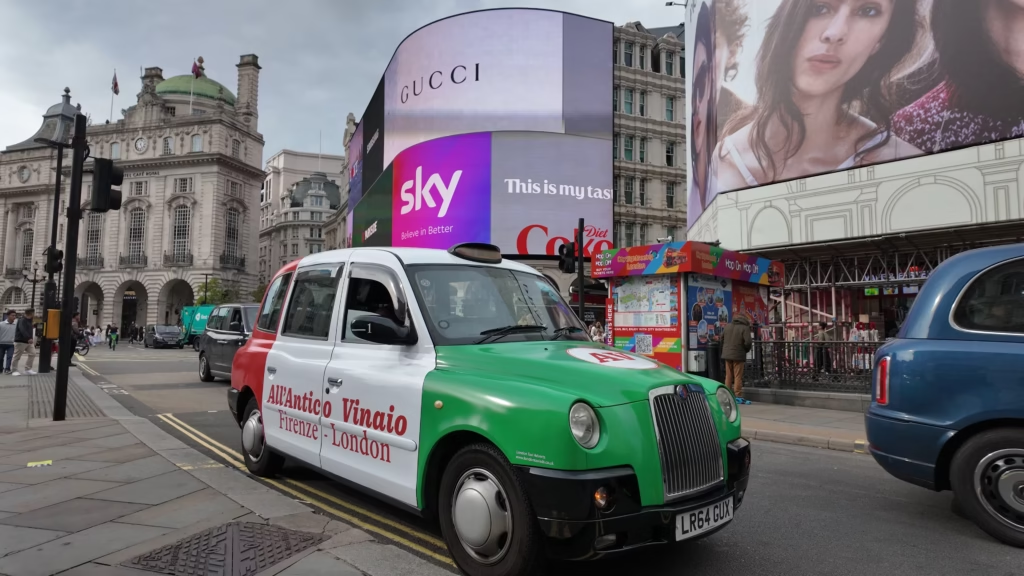
Retail may be omni-channel, but physical stores still depend on one thing. People walking in. For global retailers entering or expanding in the UK, common challenges include:
- Shoppers not knowing store locations
- High competition around shopping districts
- Expensive digital ads with short attention spans
- Difficulty standing out near flagship areas
Taxi advertising in London helps solve these problems by building familiarity before shoppers even think about where to go.
Why London Taxis Are Effective for Retail Visibility?
London taxis move constantly through the city’s busiest retail zones. Unlike static ads, they follow shoppers throughout their day. Key advantages for retailers include:
- High visibility at street level
- Long dwell time in traffic
- Repeated exposure across multiple neighbourhoods
- Presence near stores, hotels, and transport hubs
A single taxi can generate 30,000 to 70,000 impressions per day, depending on route and format. When campaigns run across fleets and weeks, brand recall builds quickly.
Where Retail Taxi Campaigns Perform Best in London?
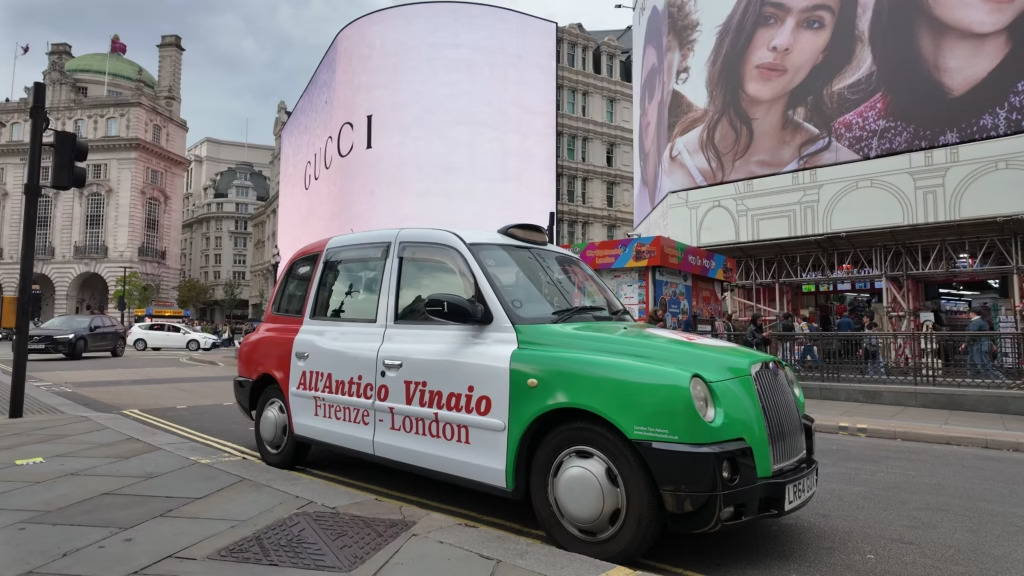
Retail-focused taxi campaigns are carefully planned around footfall-heavy locations. These include:
- Oxford Circus and Regent Street
- Covent Garden
- Soho
- Knightsbridge
- Westfield routes
- Hotel and tourist corridors
One campaign can cover all of these areas without booking separate placements. This flexibility is a big reason retailers choose taxi advertising in London over fixed outdoor formats.
How Taxi Advertising Influences Shopping Behaviour?
Retail decisions are often spontaneous. Many retailers report customers saying things like, “I’ve seen your taxis around,” which shows how offline exposure nudges in-store visits.
A shopper may not plan to visit a store until they are already nearby. Taxi ads help by:
- Making the brand familiar before the shopping moment
- Reinforcing store presence across the city
- Triggering recognition when shoppers pass the storefront
Taxi Advertising Formats Retailers Use Most
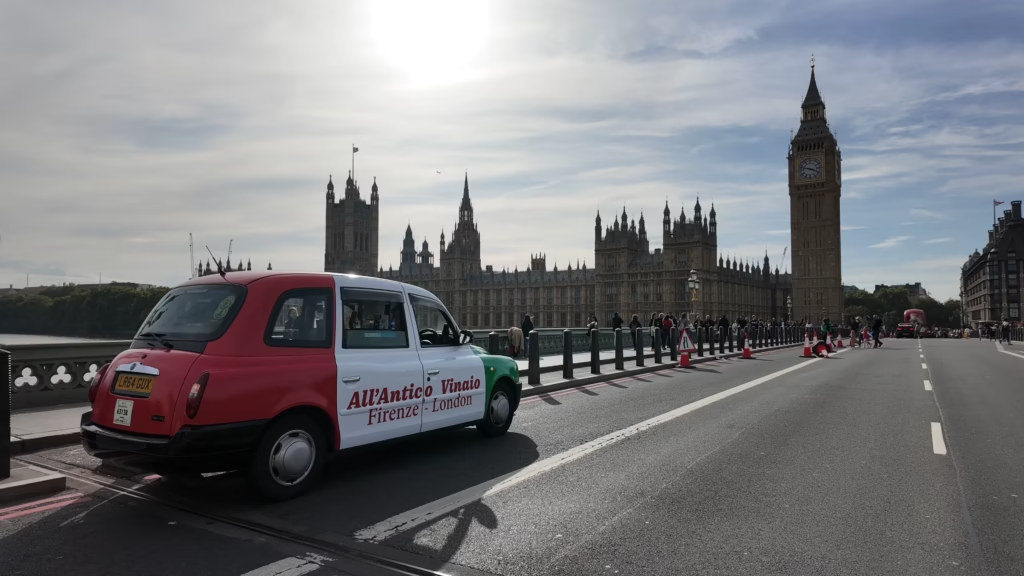
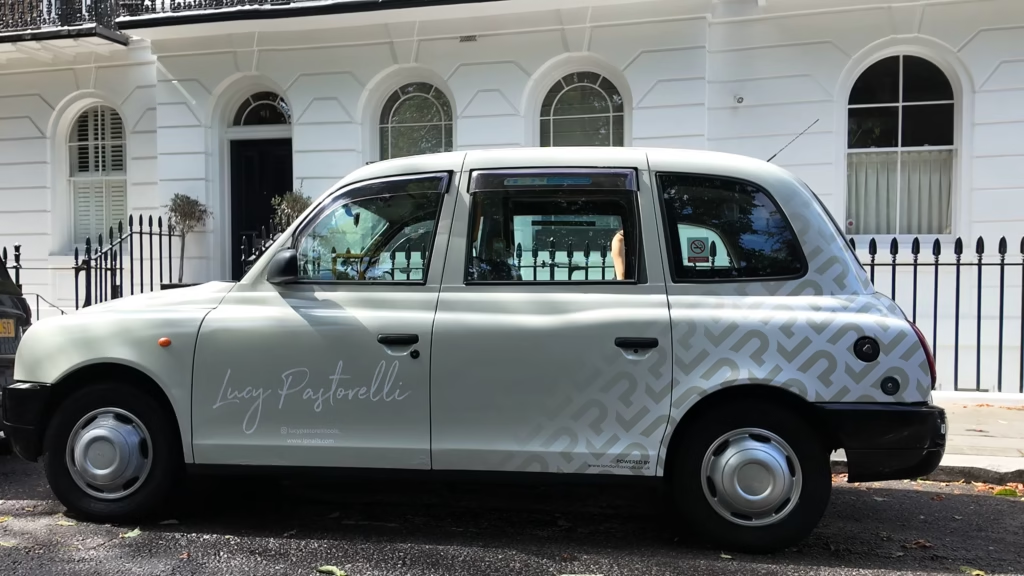
1. Full taxi wrap advertising London
Full wraps are the most popular format for retail brands. They are used for:
- Store launches
- Seasonal collections
- Sale periods
- Brand refreshes
Benefits include:
- Large, uninterrupted creative space
- Easy-to-read visuals
- Strong brand recall
2. Taxi top advertising
Taxi top advertising works well for:
- Brand name reinforcement
- Sale announcements
- Directional awareness
3. Interior taxi advertising London
Interior taxi ads support engagement. Passengers often have time to engage, especially during longer journeys. Retailers use them for:
- QR codes linking to store locators
- Promotional messaging
- App downloads or loyalty programmes
How global retailers use taxi ads to support store launches?
For new store openings, awareness timing is critical. Retailers often run taxi advertising in London campaigns two to four weeks before launch. When the store opens, the brand already feels familiar, making walk-ins.
This helps:
- Introduce the brand before opening day
- Familiarise shoppers with the store name
- Build anticipation in surrounding areas
Taxi advertising and tourism-driven foot traffic
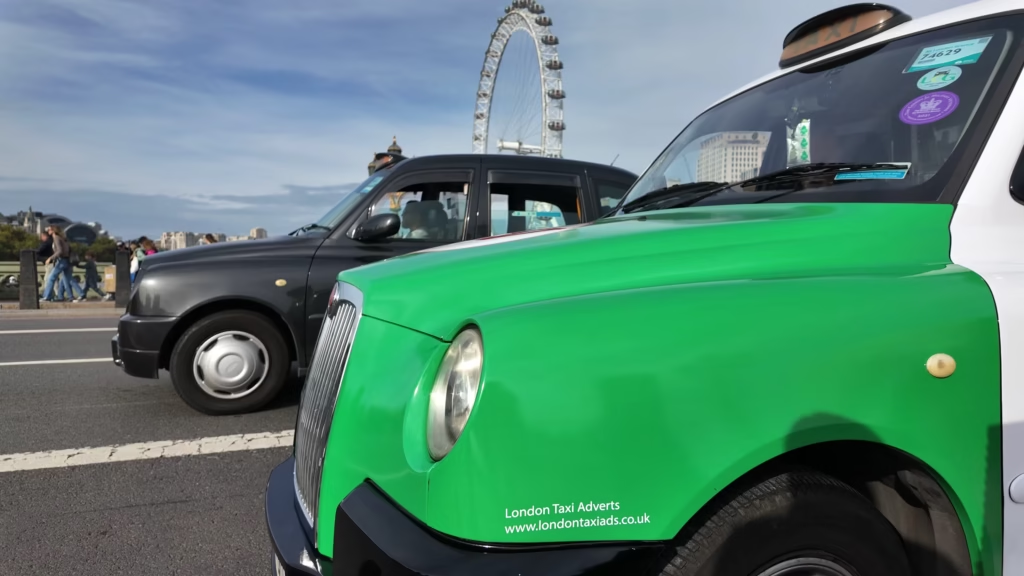
London attracts millions of tourists every year. Many stay near shopping districts and rely on taxis for transport. Retail taxi campaigns reach:
- International visitors
- Hotel guests
- Business travellers
For global retailers, this is especially valuable. Tourists may not recognise local advertising platforms, but they instantly notice branded taxis on the street. This helps drive foot traffic from audiences who may not be targeted effectively through local digital ads.
Cost considerations for retail brands
London taxi advertising cost depends on:
- Advertising format
- Fleet size
- Campaign duration
- Route planning
Retailers often choose:
- Medium-sized fleets
- Four to eight week campaigns
- High-footfall routes
Compared to premium billboards near shopping districts, taxi advertising often delivers a more predictable cost-per-impression while covering multiple retail zones.
Measuring foot traffic impact from taxi campaigns
Retailers do not measure taxi campaigns only through clicks. Instead, they look at:
- Store footfall during campaign periods
- Sales uplift in London locations
- Branded search increases
- Store staff feedback
- Customer mentions of taxi ads
Common mistakes retailers should avoid
Retail taxi campaigns work best when they stay simple. Avoid:
- Overcrowded designs
- Too much copy
- Short campaign durations
- Ignoring store proximity when planning routes
Why taxi advertising in London works for retail right now?
Digital retail advertising is crowded and expensive. Shoppers scroll quickly and forget just as fast. Physical visibility still matters. Seeing a brand repeatedly on the street builds trust and familiarity in a way online ads often cannot. Taxi advertising in London offers:
- Consistent exposure
- High recall
- Proximity to stores
- Strong support for foot traffic
Final thoughts
Retail success in London depends on being seen before shoppers decide where to go. Taxi campaigns help make that happen by placing brands directly into the daily movement of the city.
Taxi advertising in London gives retailers a practical way to stay visible, relevant, and top of mind across the city’s busiest shopping areas. For global retailers focused on driving foot traffic, London taxis remain one of the most effective and reliable tools on the street.
FAQs
1. How do London taxi campaigns help retailers drive foot traffic?
Taxi advertising in London increases store awareness across high-footfall areas. Repeated exposure near shopping districts, hotels, and transport hubs encourages walk-ins by keeping the brand top of mind when customers are nearby.
2. Which retail locations benefit most from taxi advertising in London?
Retailers see strong results in areas like Oxford Circus, Covent Garden, Knightsbridge, Soho, and Westfield routes. London taxis naturally circulate through these zones throughout the day.
3. What type of taxi advertising works best for retail brands?
Full taxi wraps and taxi top advertising work best for retail. They deliver high visibility and are easy to recognise from a distance, helping shoppers remember the brand before reaching nearby stores.
4. Can taxi advertising support short-term retail promotions?
Yes. Many retailers use London taxi campaigns for seasonal sales, store openings, and limited-time offers. Campaigns running four to six weeks can still deliver strong visibility and footfall impact.
5. How do retailers measure success from taxi advertising campaigns?
Retailers track store footfall, location-based sales uplift, branded search growth, and customer feedback such as “I saw your taxi ads.” These indicators show how taxi advertising influences in-store visits.